Books & Public Writing
Blog Archive
Peter Turchin’s essays and commentary from 2012 to 2025.
2012–2025
Search the Blog Archive
Search by title, subject, or tag, or filter by date.
Post type
Blog series 21 multi-part essays View series
My Blog Has Moved to Substack
As I wrote at the beginning of 2025 , the previous year turned out to be quite a challenge. It took me a while to recover and, then, to deal with the "stuff" that accumulated while I was recovering.…
My 2024
The year that has just ended was personally very difficult for me. First, in April my wife developed a very serious medical condition—it was really touch-and-go, and she ended up spending ten days in the hospital.…
War in Ukraine VI: Adding Economic Power to the Attrition Model
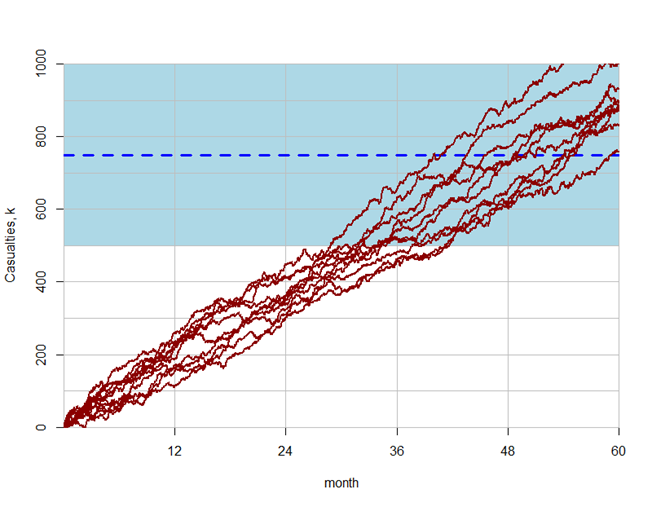
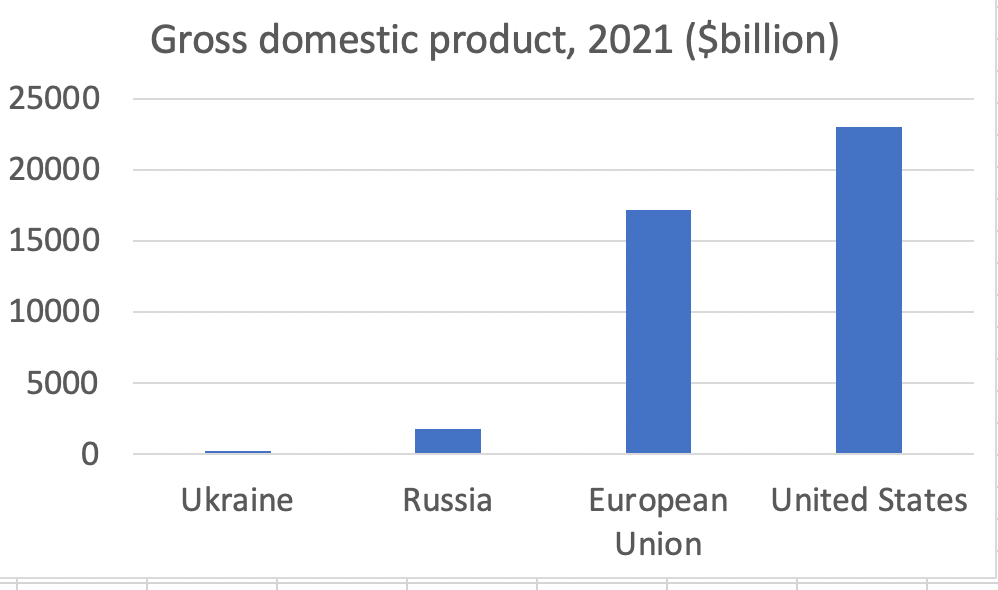
In the previous post of the series , I promised to show how both the Economic Power and Casualties Rates hypotheses can be combined within the same computational model.…
War in Ukraine V: Alternative Hypotheses
One thing I realized since I posted my blog series on the War in Ukraine ( last one here ) in July is that previously I explicitly addressed only one hypothesis (which predicts a win for Russia).…
When A.I. Comes for the Elites
The remarkable success of ChatGPT and other generative A.I. has inflamed the already roiling debate about how the rise of machines will affect workers, and ultimately shape our societies.…
Fall 2023: An Update
The last update on “What I am working on” was posted a year ago , and it is high time to do another. Last year was very intense. It started with preparing for the publication of my trade book, End Times , which came out on June 13 in the US and UK.…
My African Vacation
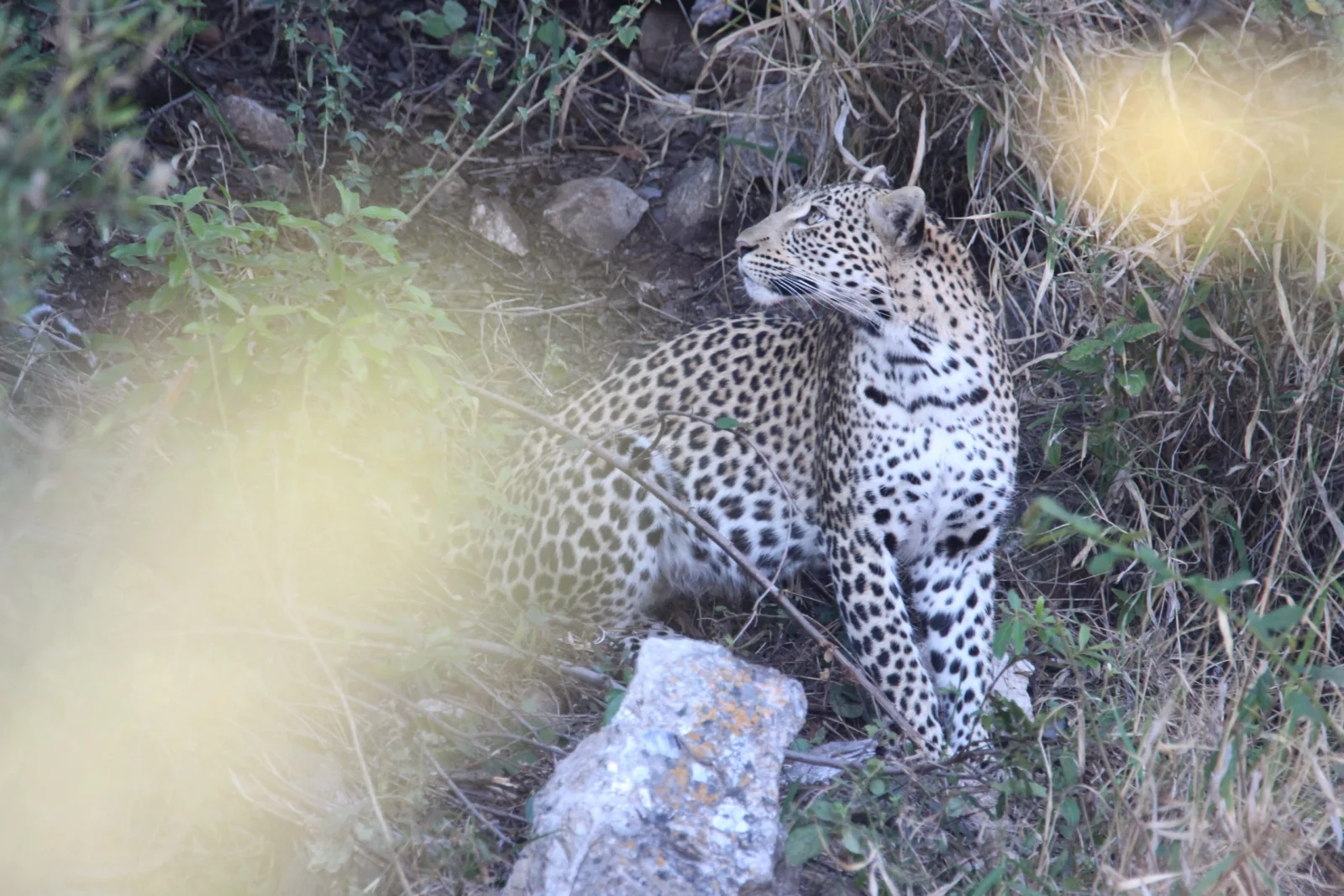
I went to Africa for the first time more than 30 years ago, and I was immediately hooked. Now I try to get there every year for a mind-clearing vacation -- no work, just enjoying the countryside and the animals.…
War in Ukraine IV: Projections
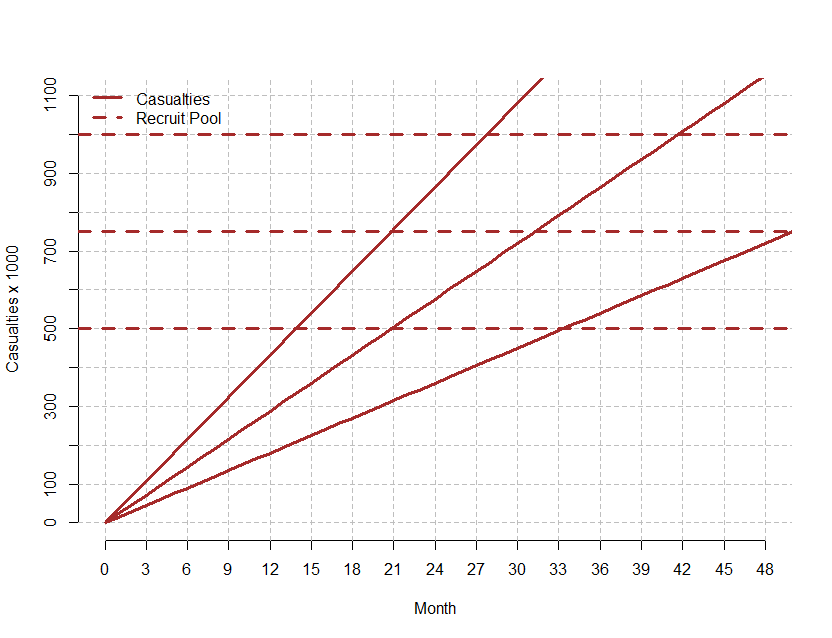
In this installment I will use the ideas discussed in previous posts to make projections. A projection is different from a forecast (and, certainly, from a prophecy) in that it is not an attempt to predict what will happen.…

War in Ukraine III: an Interim Assessment
Sixteen months into the war the final outcome of this conflict is still uncertain. Public statements from both sides continue to express unbounded confidence in their eventual victory (see, for example, Russia’s Strategic Failure and Ukraine’s Secure Future…
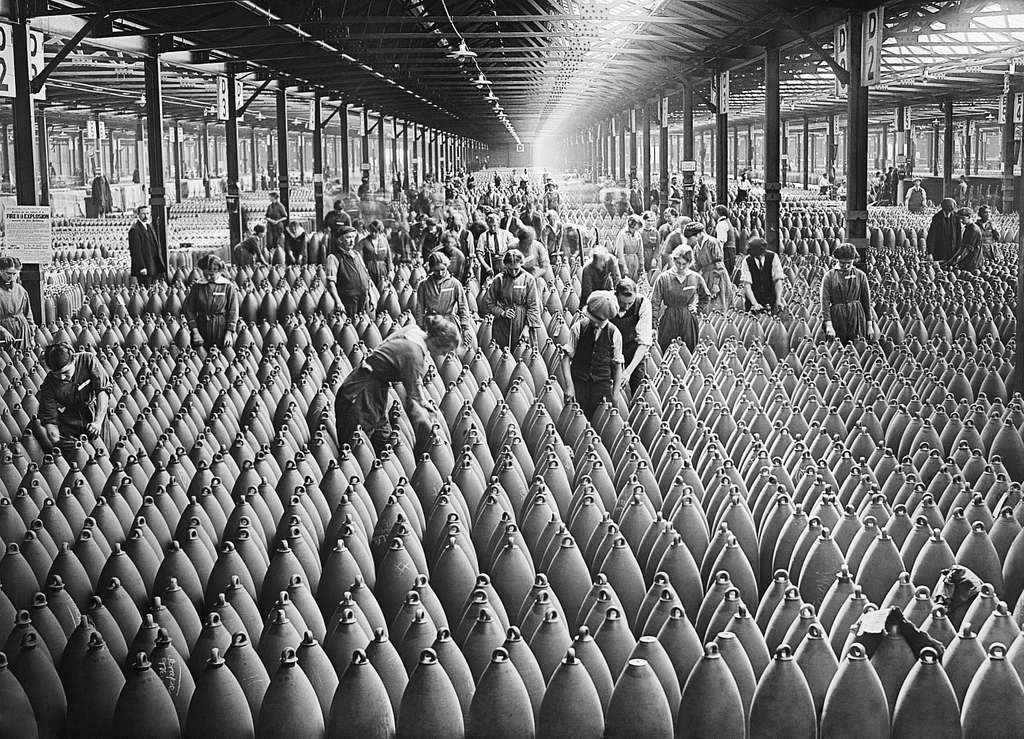
War in Ukraine II: The Model
The first part of this series gave an introduction to the Osipov-Lanchester (OL) model and illustrated the ideas with the example of the American Civil War. In this second part, my aim to extract a prediction from the OL model for the War in Ukraine.…
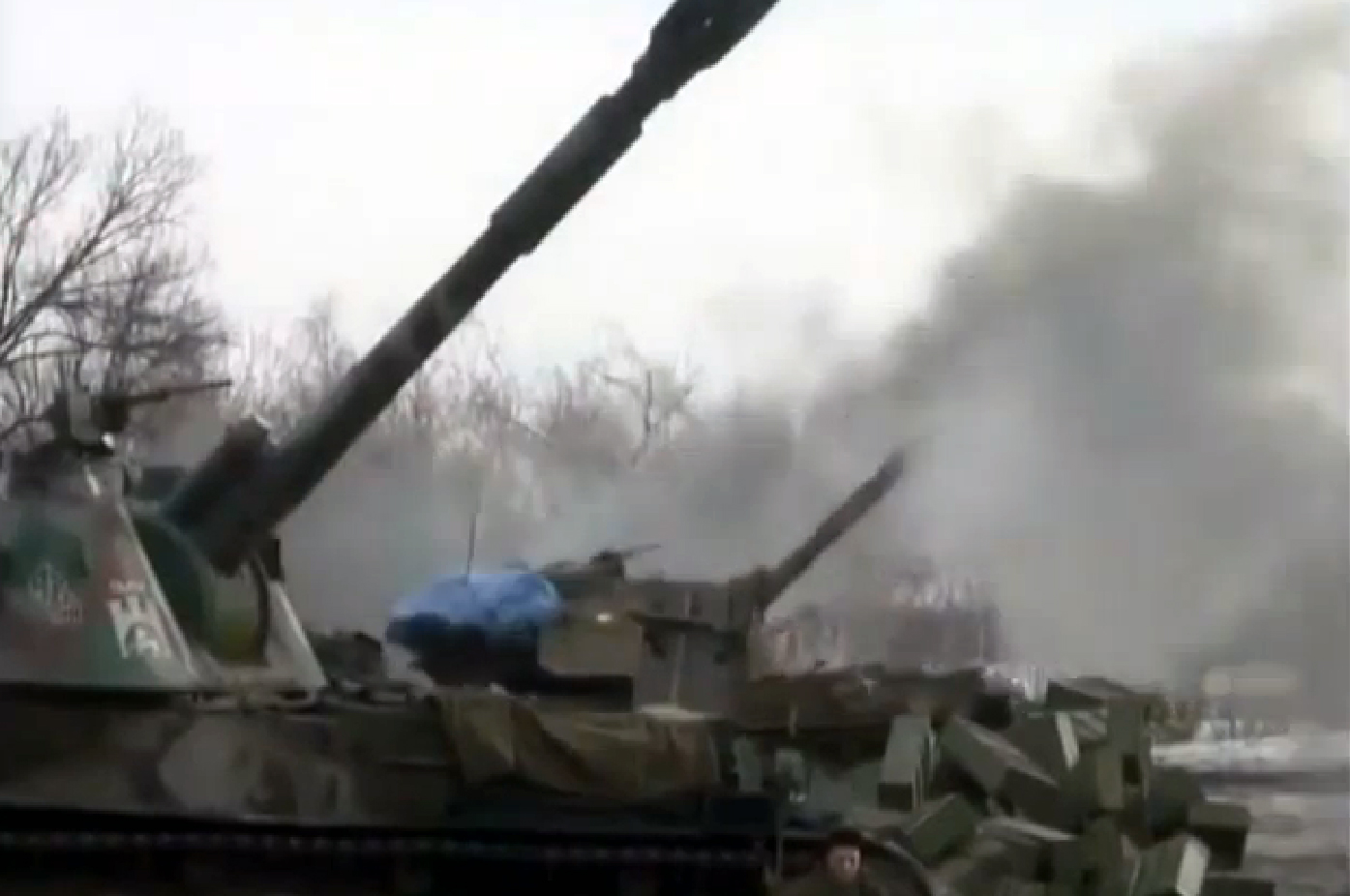
What Osipov and Lanchester Tell Us about the War in Ukraine
Probably the most consequential currently unfolding geopolitical event is the war in Ukraine. When I wrote about Ukraine in End Times the latest phase of this conflict had just started (I turned the completed text to the publisher in August 2022).…
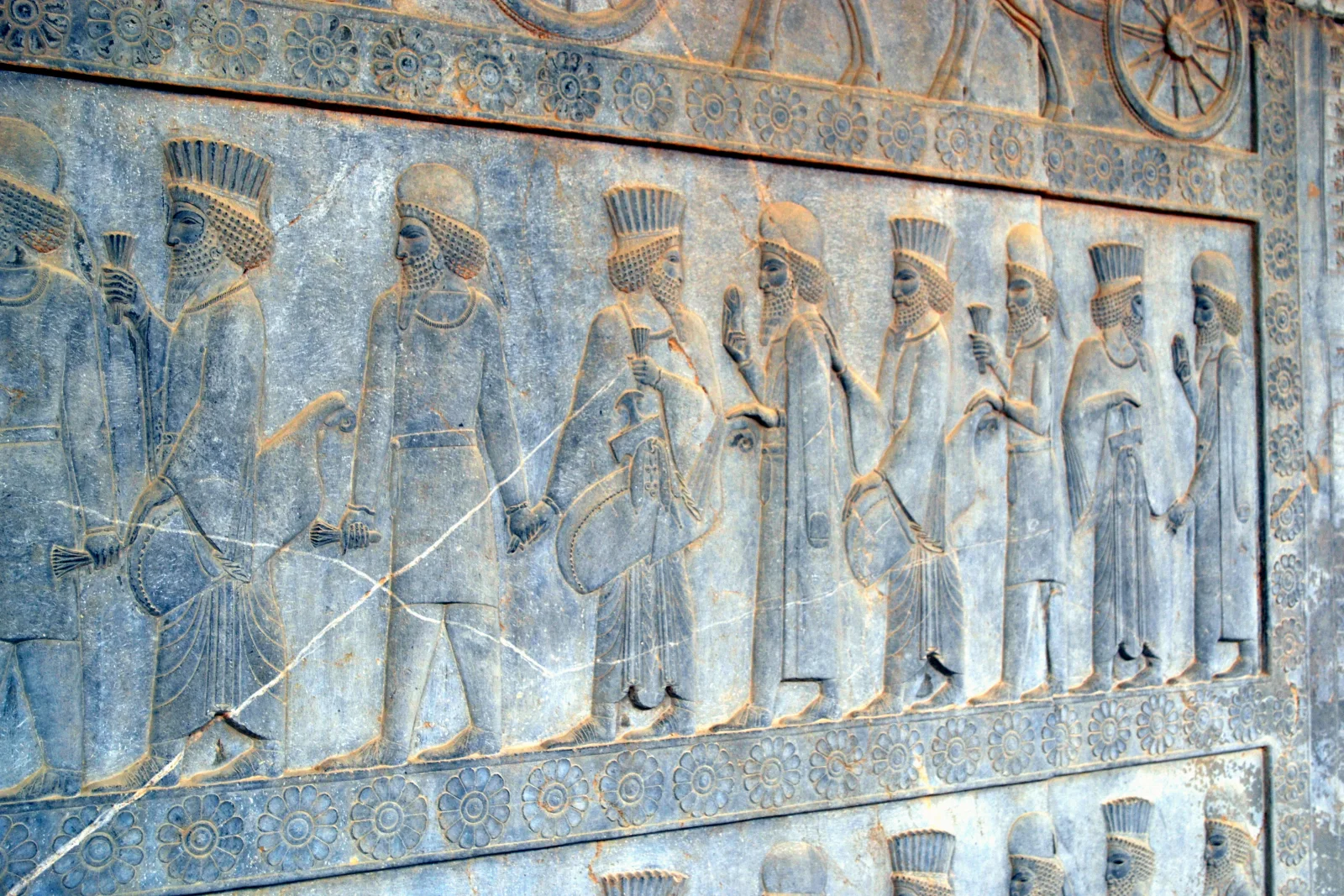
The Scythian Empire
The first “mega-empire” in history, which broke through the 3 mln sq. km territory threshold, is now known as the Achaemenid Empire . It preceded the rise of other early mega-empires: the Mauryans, the Han Dynasty, and the Romans.…

Structural-Demographic Theory: What’s Next?
As readers of End Times (published last week) know, the theoretical foundations of my explanation of why we in America are in crisis is provided by the structural-demographic theory (SDT).…
Good Statistical Methods Is No Substitute for Bad Data
The Database of Religious History (DRH) team has recently published the first (and only, as far as I know) analytic article based on the DRH data, Religion and Ecology: A pilot study employing the database of religious history .…

Announcing My New Book: End Times
End Times: Elites, Counter-Elites, and the Path of Political Disintegration To be published on June 13, 2023 by Penguin Random House “History is not just one damn thing after another,” British historian Arnold Toynbee once quipped in response to a critic.…
On Social Power
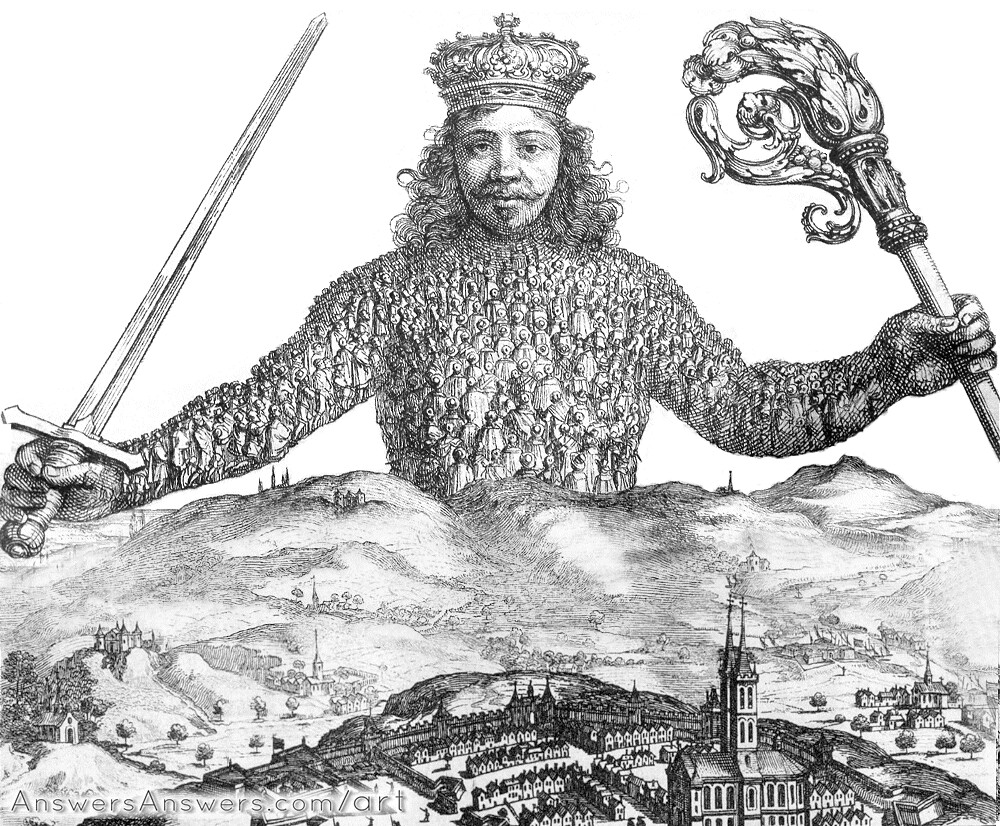
There were quite a lot of questions about (and some disagreements with) my tweet about the four sources of social powe r. As Twitter is not a great platform for thoughtful commentary, I thought that I would expand on it in this blog.…
Evolutionary Drivers of Social Complexity: the Story So Far
When we launched Seshat: Global History Databank more than a decade ago, we intended it to be a multi-purpose tool. But the central question that motivated this gargantuan undertaking was to test the multitude of theories proposed by thinkers of the past and…
An Intermediate Retrospective on Ages of Discord
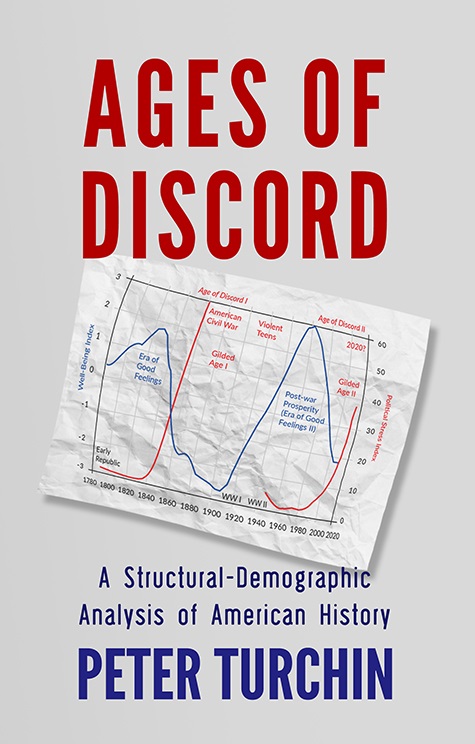
The publisher of the Japanese translation of Ages of Discord (about to be published) requested a foreword, which presented me with a welcome opportunity to review how this book has fared, and to place it within my overall—long-term—research program…