Publication
Empirically Testing Predictions of an Attrition Warfare Model for the War in Ukraine
Authors
Peter Turchin
Abstract
The goal of this study is to empirically test hypotheses about wars of attrition by evaluating their predictions for the conflict in Ukraine. Evaluation will occur after the war is over and authoritative data sources become available for analysis. This pre-registration document presents two quantitative hypotheses that make opposite predictions about the course of the War in Ukraine: (1) the Economic Power hypothesis, which predicts a win for Ukraine and (2) the Casualties Rates hypothesis, which predicts a win for Russia. Additionally, I consider an alternative hypothesis, according to which the outcome will be determined by random unforeseen events. The document includes four main parts: 1. An introduction providing the conceptual background and the rationale for this study. 2. The mathematical framework and a computational model that incorporates both Economic Power and Casualties Rates hypotheses as special cases. 3. An analysis plan that defines model outputs (what is predicted) and model inputs (parameter values and initial conditions), which need to be estimated from data. 4. An interim assessment (as of Summer 2023) using non-authoritative sources illustrating how, after the end of the war, input parameters will be estimated and the accuracy of predictions assessed. At the time of pre-registration (November 2023) the conflict is still unresolved. Neither side has made significant territorial gains for over a year (since the late Fall of 2022). Furthermore, no authoritative source for data, needed to accurately estimate inputs, is currently available. Estimates published in the press differ wildly depending on the source. As a consequence, the alternative predictions discussed in the interim assessment should not be taken as predicting the future course of the conflict. They instead are meant to demonstrate how these specific scientific hypotheses about war dynamics will be assessed after the war concludes.
Journal
SocArXiv Preprint
Cite This Publication
Peter Turchin. (2023). Empirically Testing Predictions of an Attrition Warfare Model for the War in Ukraine. SocArXiv Preprint. https://doi.org/10.31235/osf.io/k5b42
Connections
Related work
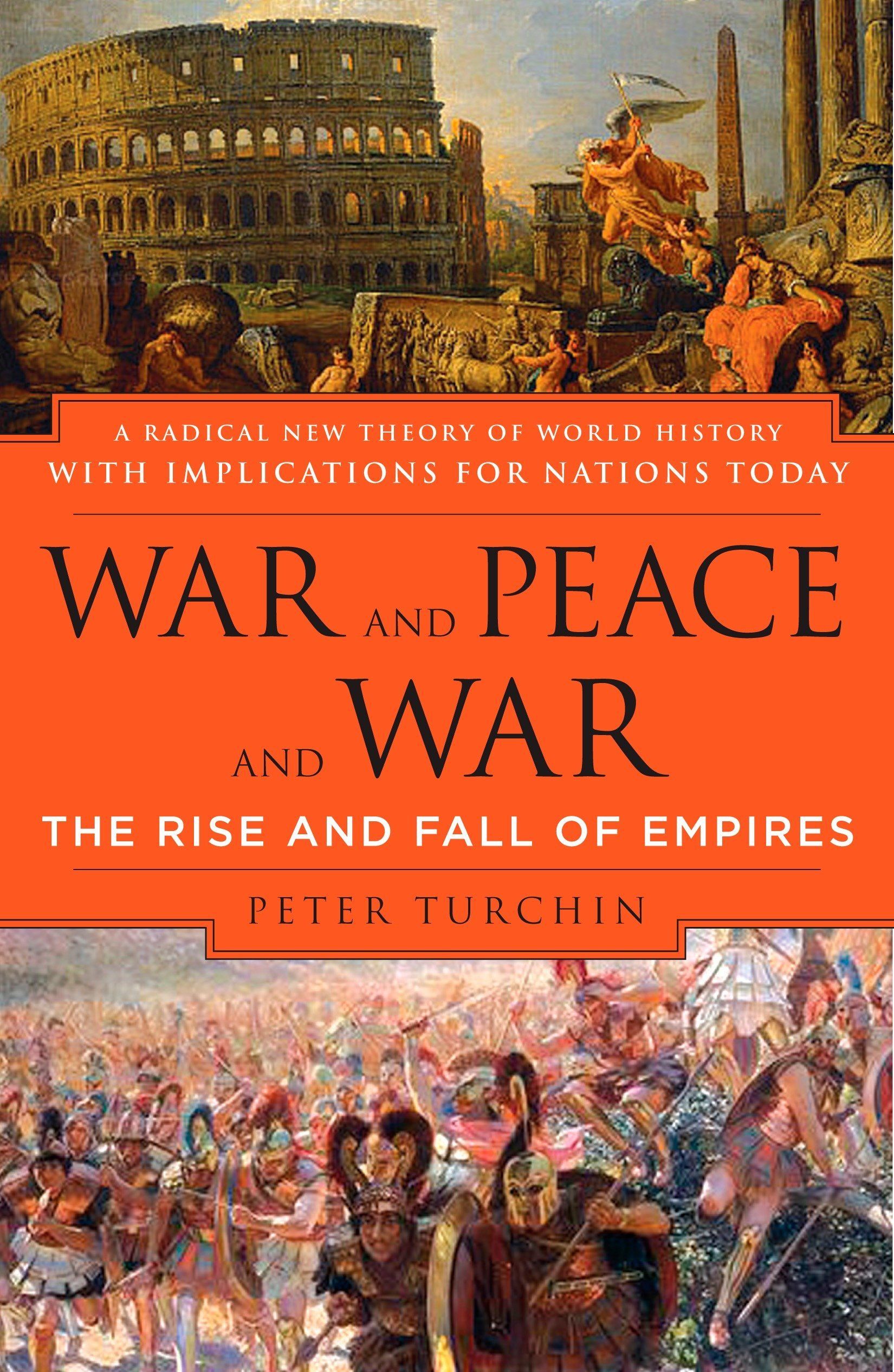
War and Peace and War
Empires rise and fall, populations and economies boom and bust, world religions spread or wither…
In War and Peace and War, Peter Turchin uses his expertise in evolutionary biology to offer a bold new theory about the course of world history. Turchin argues that the key to the formation of an empire is a society’s capacity for collective action. He demonstrates that high levels of cooperation are found where people have to band together to fight off…
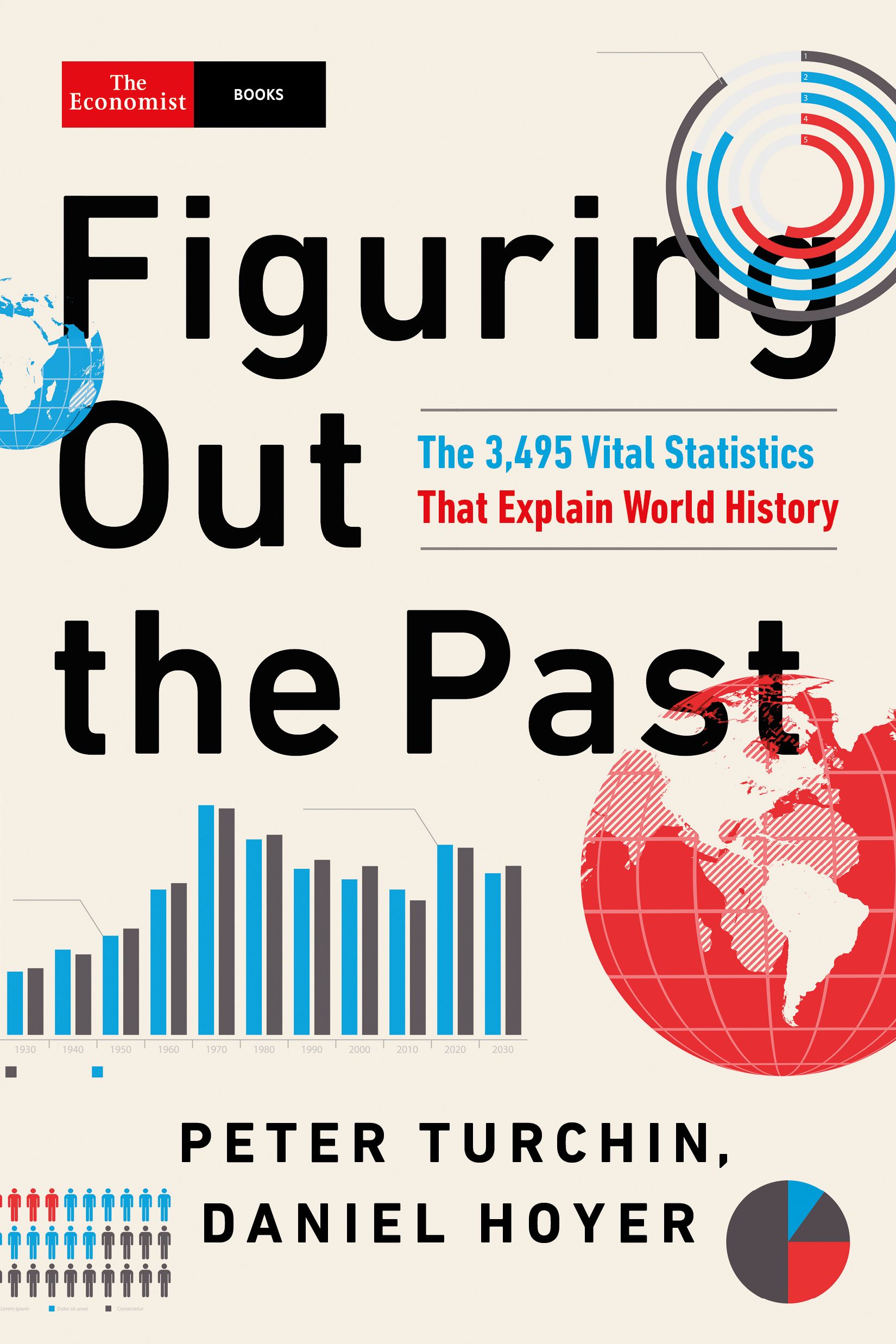
Figuring Out the Past: The 3,495 Vital Statistics that Explain World History
Discover the world records that define our history and jump headfirst into the past using scientific data that reveals accurate and insightful answers to life’s biggest questions.
What was history's biggest empire? Or the tallest building of the ancient world? What was the plumbing like in medieval Byzantium? The average wage in the Mughal Empire? Where did scientific writing first emerge? What was the bloodiest ever ritual human sacrifice? We are used to thinking about history in terms of stories. Yet we understand our own world…
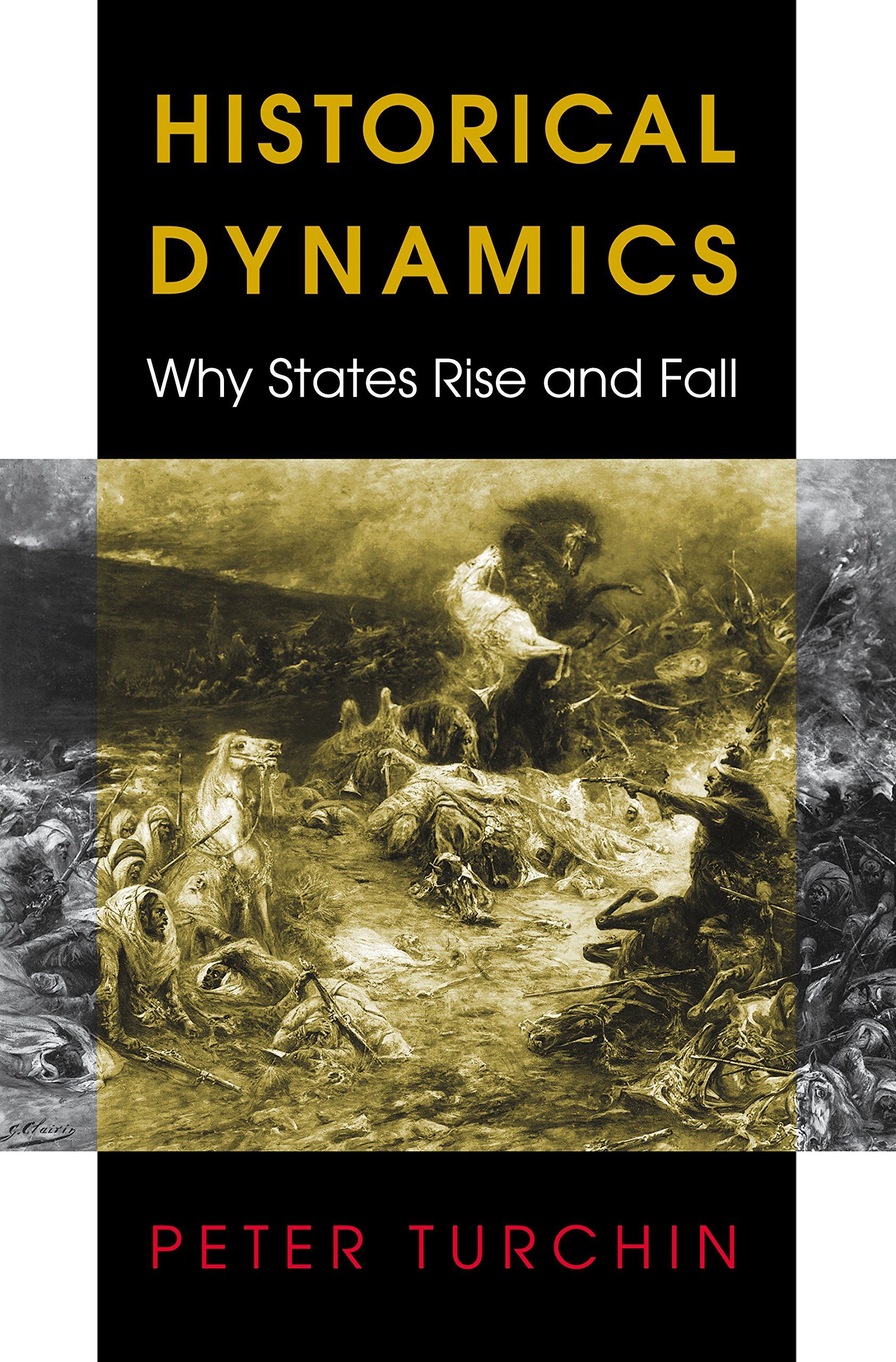
Historical Dynamics
A Synthetic Approach to Historical Expansions and Contractions through Mathematical Modeling and Empirical Analysis
Why States Rise and Fall Many historical processes are dynamic. Populations grow and decline. Empires expand and collapse. Religions spread and wither. Natural scientists have made great strides in understanding dynamical processes in the physical and biological worlds using a synthetic approach that combines mathematical modeling with statistical…
CRISES AVERTED. How A Few Past Societies Found Adaptive Reforms in the Face of Structural-Demographic Crises
Historians and social scientists have long been preoccupied with understanding and documenting periods of crisis. Such emphasis is only growing, and becoming more pressing, as the world continues to face a number of interrelated stressors in the form of irreversible climate change, major ecological shocks and disease outbreaks, eruptions of military violence, economic disruptions and deepening inequalities, political polarization and unrest, the rise of authoritarian and nationalist regimes. Crises in these domains are not new, but have been recurrent features of past societies. Although these periods have typically led to massive loss of life, the failure of critical institutions, and even complete societal collapse, there are instances in the historical record of societies managing to turn the tide of crisis even as violence and social turmoil grow. Here, we focus on four such cases of crises mitigated with structural reforms revealed from our previous historical analyses: early Republican Rome, mid-19th century England and Russia, USA during the the late 20th to early 21st centuries. Utilizing structural demographic theory as a lens to explore these cases, we seek to expose the pressures that built up leading to crisis and the early signs of violent confrontation revealed by these societies, as well as to examine the conditions and key decisions made in the midst of this unrest that allowed these societies to turn the tide and enact significant structural adaptations. Our findings have clear relevance to understanding and navigating similar crises in contemporary societies.
Landscape of fear: indirect effects of conflict can account for large-scale population declines in non-state societies
The impact of inter-group conflict on population dynamics has long been debated, especially for prehistoric and non-state societies. In this work, we consider that beyond direct battle casualties, conflicts can also create a ‘landscape of fear’ in which many non-combatants near theatres of conflict abandon their homes and migrate away. This process causes population decline in the abandoned regions and increased stress on local resources in better-protected areas that are targeted by refugees. By applying analytical and computational modelling, we demonstrate that these indirect effects of conflict are sufficient to produce substantial, long-term population boom-and-bust patterns in non-state societies, such as the case of Mid-Holocene Europe. We also demonstrate that greater availability of defensible locations act to protect and maintain the supply of combatants, increasing the permanence of the landscape of fear and the likelihood of endemic warfare.
Landscape of Fear: Indirect effects of conflict can account for large-scale population declines in non-state societies
The impact of inter-group conflict on population dynamics has long been debated, especially for prehistoric and non-state societies. In this work, we consider that beyond direct battle casualties, conflicts can also create a “landscape of fear” in which many non-combatants near theaters of conflict abandon their homes and migrate away. This process causes population decline in the abandoned regions and increased stress on local resources in better protected areas that are targeted by refugees. By applying analytical and computational modeling, we demonstrate that these indirect effects of conflict are sufficient to produce substantial, long-term population boom-and-bust patterns in non-state societies, such as the case of Mid-Holocene Europe. We also demonstrate that greater availability of defensible locations, by acting to protect and maintain the supply of combatants, increases the permanence of the landscape of fear and the likelihood of endemic warfare.